free
Initial consultation
We gather information about the condition, the substance, the symptoms and the risks.
- confidential
- for the patient or family
- first plan
Home format is discussed individual after assessment symptoms and dangerous signs.
Different substances have different risks, so the form of help is determined only after a consultation.
We gather information about the condition, the substance, the symptoms and the risks.
Help with acute signs of intoxication or withdrawal.
The format depends on the substance, the duration of use and the symptoms.
Helps move from stabilisation to systematic recovery.
Detox does not replace addiction treatment but can be an important first step towards stabilisation.
Discuss the situationWe clarify the substance, the duration of use, the symptoms and previous treatment experience.
We identify dangerous symptoms, co-existing illnesses and the needed form of help.
We discuss support with acute symptoms and monitoring of wellbeing.
We explain how to move on to psychotherapy, rehabilitation or other support.
A consultation helps you avoid acting at random: the specialist clarifies the condition, risks and symptoms and explains a safe first step.
There is a sharp worsening of the condition after use.
Withdrawal symptoms appeared after stopping.
After detox important not remain without support.
The cost depends on the person's condition, duration of use, symptoms, coexisting conditions, and the required care format. The exact plan is discussed after the initial consultation.
Prices are not medical prescriptions. The final form of help is decided after assessing the condition and the risks.
The specialists who can be involved in the consultation, condition assessment, stabilisation, psychological support or further treatment plan.
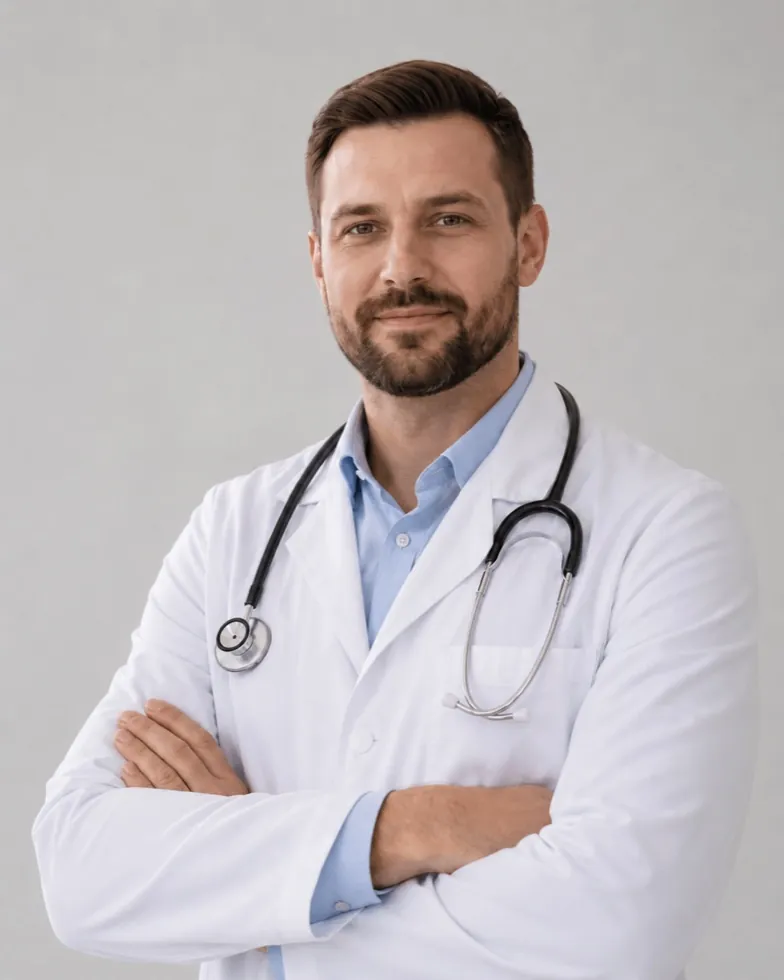
Leads the medical team and oversees the care plan, detox safety, and therapy outcomes.

Works with acute states, withdrawal syndrome, sleep disturbances, and medication support.

Helps patients restore routine, build sober-life skills, and reduce relapse risk.
Chief physician, psychiatrist-addiction specialist, 15 years of experience. Reviews the medical accuracy of sample about withdrawal at home: condition assessment, inpatient indications, a safe request process, and wording without unsafe home-treatment schemes. The information on this page helps with orientation but does not replace an individual specialist consultation.
Go to the teamHome withdrawal relief fits a relatively stable condition and lower risks. A doctor visits, assesses the withdrawal symptoms, and provides detox support if needed. Self-made home schemes and "internet" dosages are dangerous.
Before help, it is important to describe the substance, the route and duration of use, the symptoms and co-existing illnesses.
With severe withdrawal, psychosis, overdose risk or seizures, an inpatient stay is safer.
Withdrawal relief does not treat the addiction. Psychotherapy, rehabilitation and family support are needed.
The type of substance, the method and duration of use, sleep, appetite, behaviour, mental state, previous treatment attempts and the risk of overdose.
Withdrawal, psychosis, hallucinations, aggression, suicidal thoughts, sudden weakness, breathing problems or a suspected overdose require an urgent assessment.
A consultation, testing, detox, withdrawal relief, psychiatric support, inpatient care or a rehabilitation programme are possible.
Relatives can contact us first to understand the safe procedure steps, the tone of the conversation and the limits of support without pressure and conflicts.
Safe boundary: We do not publish medication dosages, IV-drip schemes or self-treatment instructions. Medical prescriptions are possible only after assessing the person's condition.
Medical help should be clear, lawful, and confidential. The website includes legal sections, data processing rules, clinic documents, and terms of use.
Loss of consciousness, seizures, chest pain, breathing difficulty, severe hallucinations, suicidal thoughts, or suspected overdose require emergency medical care.
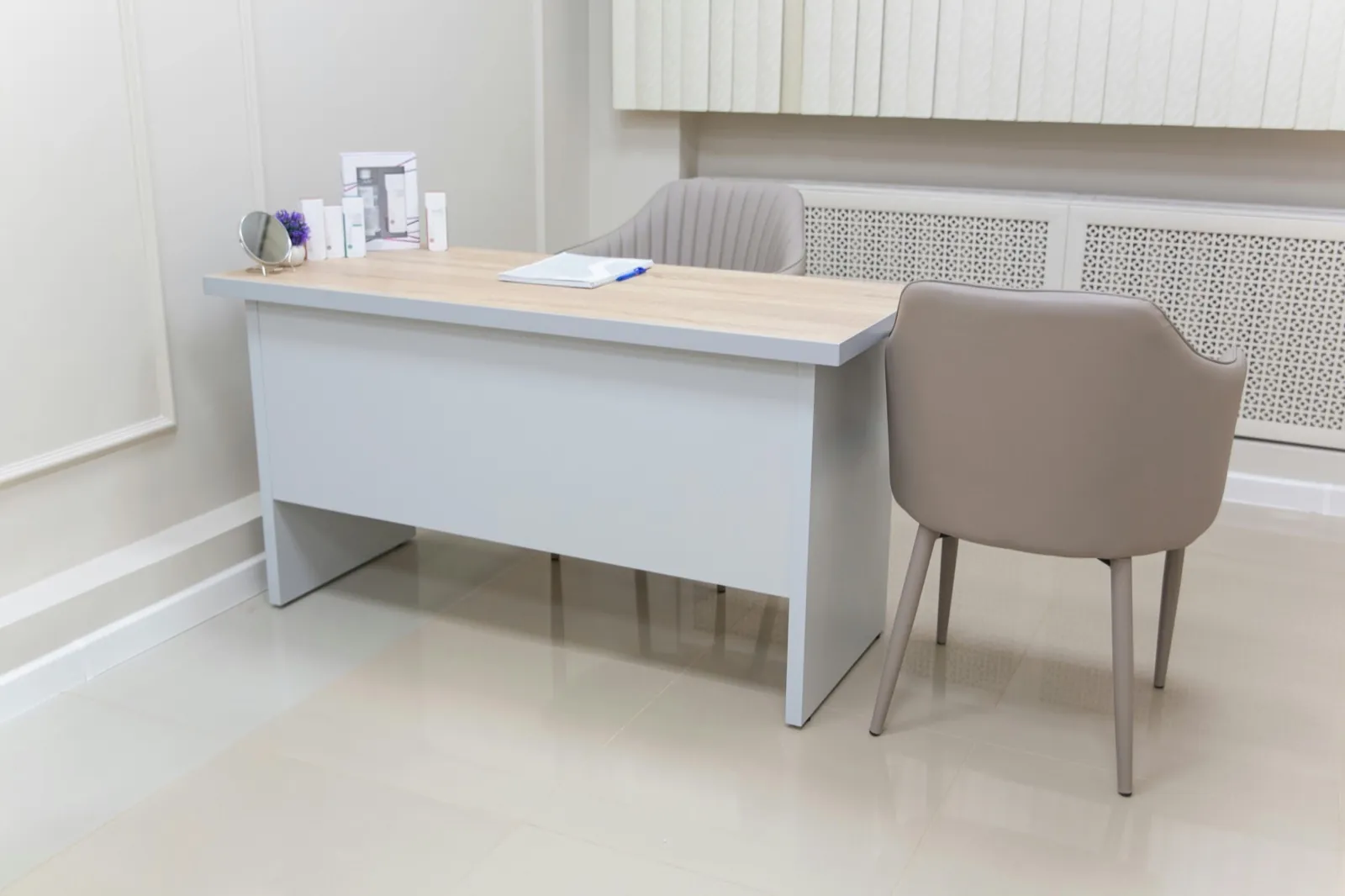
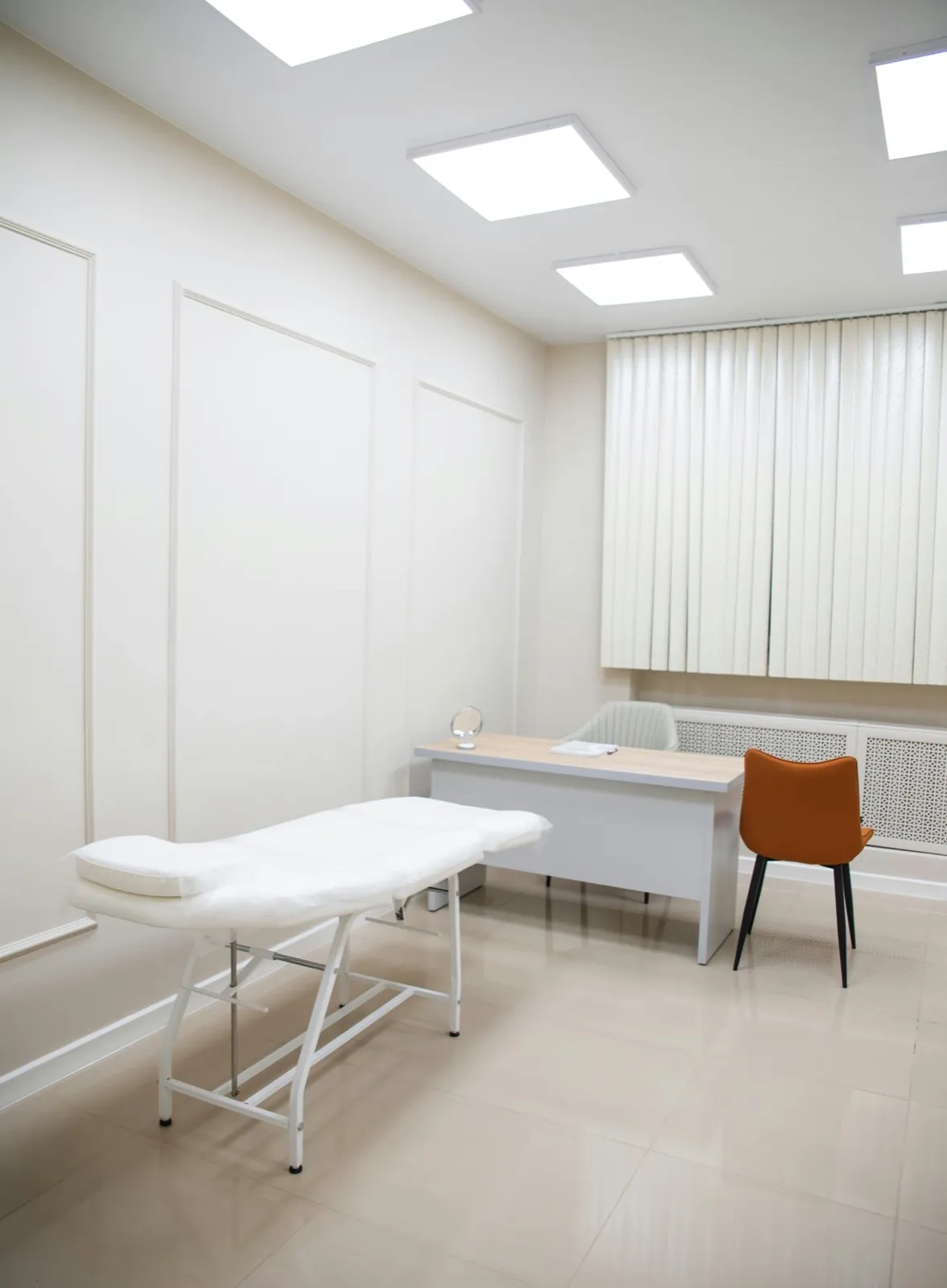
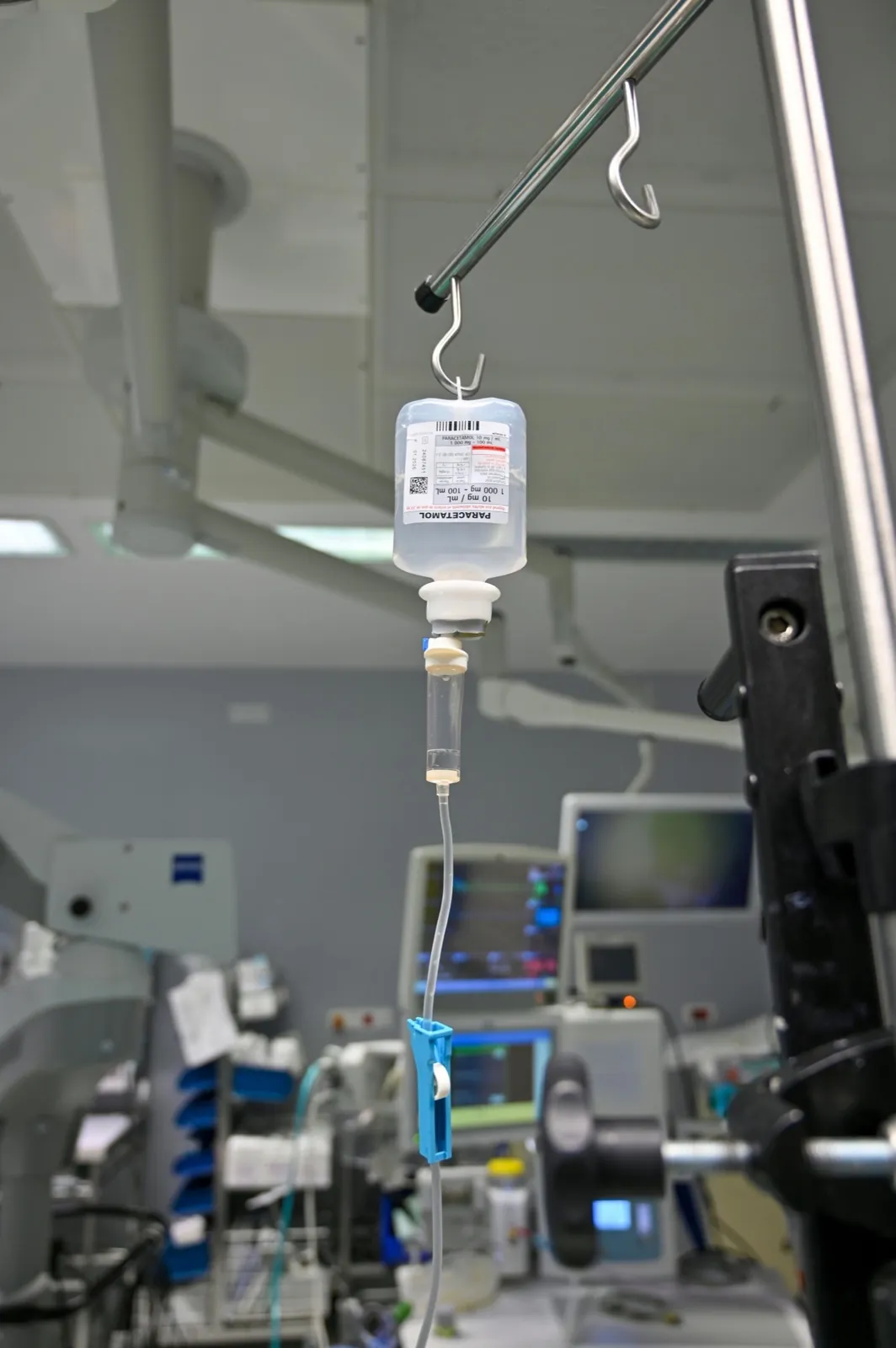
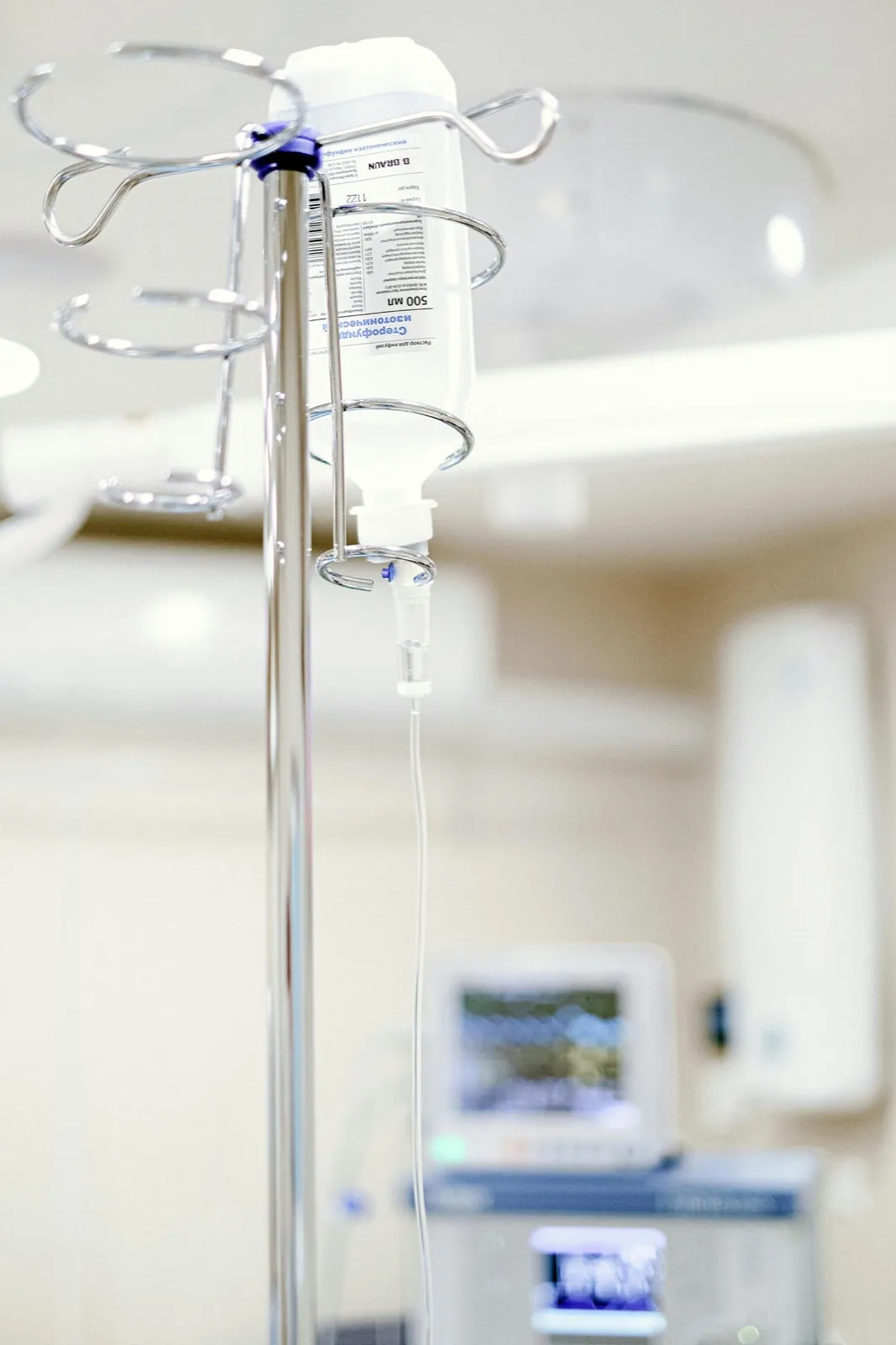
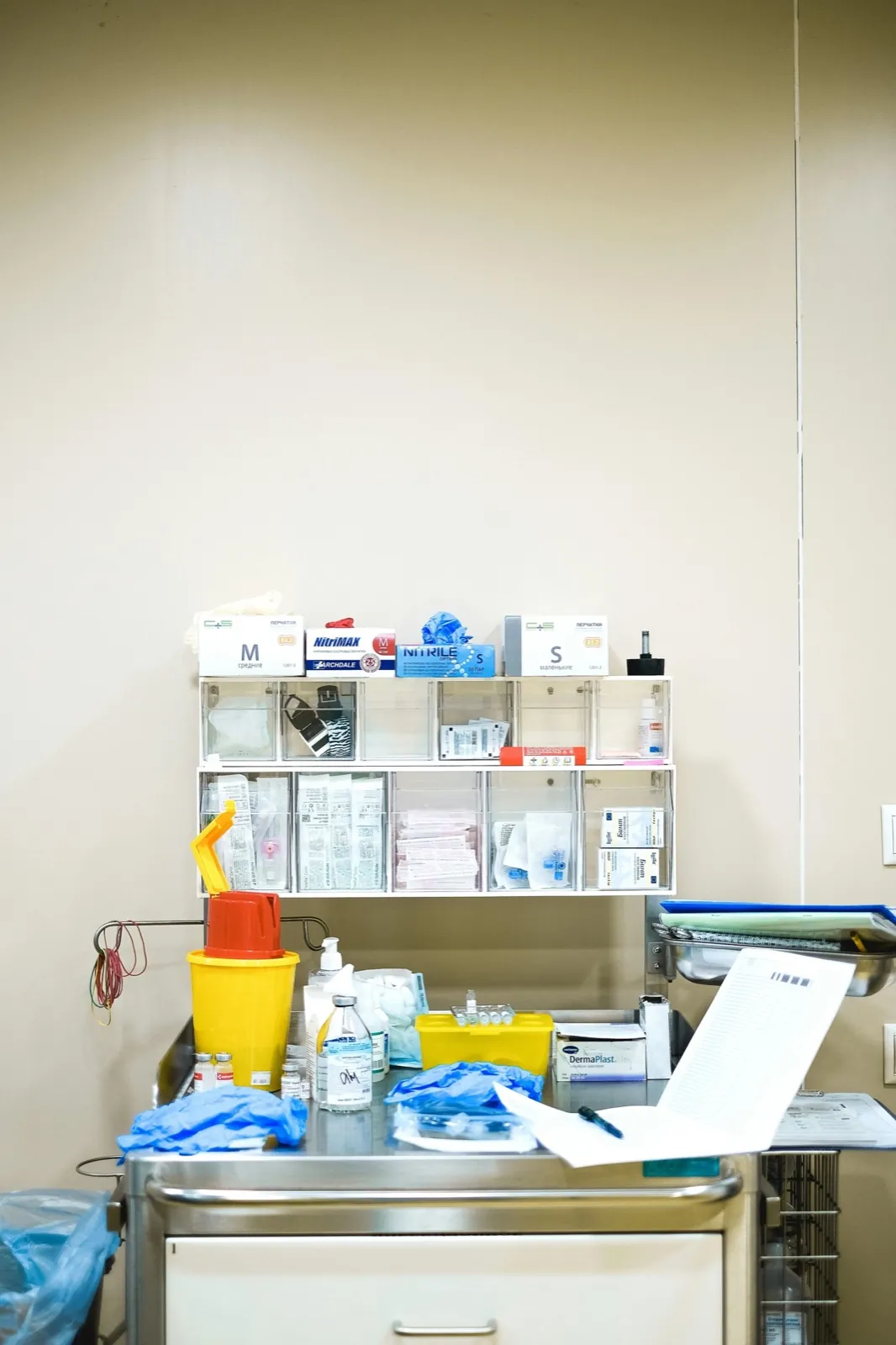
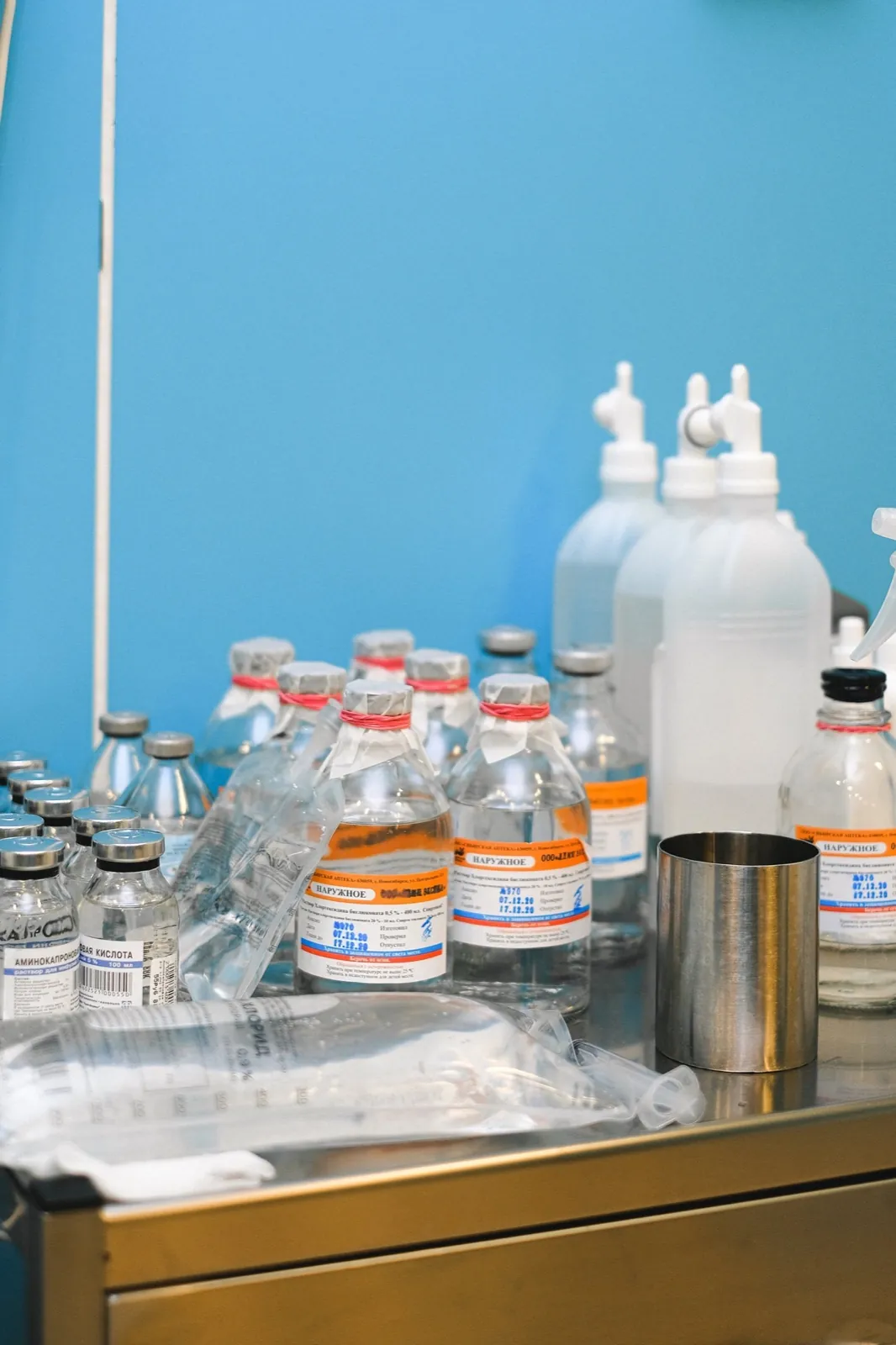
+380 50 366-62-33Photos help you see the space in advance: consultation room, procedure area, equipment and medical materials without patients' personal data.
Below are recent anonymized reviews for this service. We keep the experience of care while removing private details that could identify a person or their medical situation.
We contacted Demeevka about a loved one's addiction. For me it was important not just to “put them in a clinic,” but to understand what was happening and how the family could help. The specialists explained the steps, spoke calmly, and stayed in touch without unnecessary disclosure.
Anna, Kyiv, Holosiivskyi districtYa long thought, what problem only in nature loved one person. Specialist explained, how works addiction, why some persuasion malo and why important program after stabilization. This helped view for situation more sober.
Confidential, KyivOur loved one was in a bad way, and we were looking for an urgent answer. At Demeevka they did not give schemes over the phone but explained which symptoms to tell the doctor and when you cannot wait.
Viktor, KyivWithdrawal support at home: confidential consultation Demeevka in Kyiv, condition assessment, safe care plan and family support.
We work confidentially, we explain the options and limitations of each format, and we do not use promises of a guaranteed result in one day.
Yes. Demeevka does not disclose the fact that you contacted us and handles personal data carefully.
Yes. Often relatives take the first step, to understand the risks, how to approach the conversation, and the safe next steps.
The final form of help is decided only after assessing the condition, symptoms, risks and contraindications.
It helps to briefly describe the symptoms, how long the use lasted, the current condition, chronic illnesses, and which medications have already been taken.
A suspected overdose, breathing problems, seizures, loss of consciousness, psychosis, aggression or suicidal thoughts require immediate assessment and, if needed, a call for emergency help.
Self-treatment increases the risk of complications. A safe form of help is decided after assessing the substance, symptoms, co-existing conditions and level of risk.
Not always. In some cases the clinical symptoms matter more, but a test can help confirm the fact of use and support the further plan of care.
After stabilisation it is important not to stop at detox: treatment of the addiction, psychiatric support, rehabilitation and work with the family are discussed.
Briefly describe the situation. We will suggest which form of help will be safe and where to start.
Leave your phone number. We will contact you, clarify the situation, and suggest a safe first step.