free
Initial consultation
We help you understand whether rehabilitation is needed and which format will be appropriate.
- condition assessment
- motivation
- first plan
Consultation for loved ones helps understand, how speak with person without pressure and what do, if it refuses from treatment.
The programme should not be the same for everyone. The plan depends on the type of addiction, the person's condition, previous treatment experience and the social environment.
We help you understand whether rehabilitation is needed and which format will be appropriate.
A structured start to recovery with a focus on routine, motivation and support.
An approach for the gradual formation of sober habits and responsibility.
Helps not to lose the result after completing the main programme.
After the acute stage it is important not to return to the old patterns. Rehabilitation helps to build a new system of support.
Discuss the situationWe clarify the condition, motivation, previous experience and the risk of relapse.
We define the goals, the format, family involvement and the duration of support.
Psychological support, routine, triggers and sober-living skills.
We plan support after the programme and relapse prevention.
A consultation helps you avoid acting at random: the specialist clarifies the condition, risks and symptoms and explains a safe first step.
Stabilising the condition does not complete addiction treatment.
Systematic work with the causes and triggers is needed.
Relatives also needed an explanation and support.
The cost depends on the person's condition, duration of use, symptoms, coexisting conditions, and the required care format. The exact plan is discussed after the initial consultation.
Prices are not medical prescriptions. The final form of help is decided after assessing the condition and the risks.
The specialists who can be involved in the consultation, condition assessment, stabilisation, psychological support or further treatment plan.

Provides individual and family counseling, working with conflicts, codependency, and support for loved ones.

Works with emotional exhaustion, depressive states, codependency, and family crises.

Helps patients restore routine, build sober-life skills, and reduce relapse risk.

Chief physician, psychiatrist-addiction specialist, 15 years of experience. Reviews the medical accuracy of sample about family support: condition assessment, inpatient indications, a safe request process, and wording without unsafe home-treatment schemes. The information on this page helps with orientation but does not replace an individual specialist consultation.
Go to the teamOften the first step is taken by relatives. They need not accusations but a clear plan: how to speak, when waiting is dangerous, how not to support dependent behaviour and how to offer treatment.
Relatives can describe the situation without the patient present, in order to assess the risks and prepare a safe conversation.
If the person denies the problem, it is important not to threaten, humiliate or give medications without a consultation.
We explain to relatives where help genuinely supports treatment and where it unknowingly continues the cycle of addiction.
Aggression, psychosis, suicidal thoughts, overdose, seizures or loss of consciousness are a situation for emergency help.
Safe boundary: We do not publish medication dosages, IV-drip schemes or self-treatment instructions. Medical prescriptions are possible only after assessing the person's condition.
Medical help should be clear, lawful, and confidential. The website includes legal sections, data processing rules, clinic documents, and terms of use.
Loss of consciousness, seizures, chest pain, breathing difficulty, severe hallucinations, suicidal thoughts, or suspected overdose require emergency medical care.
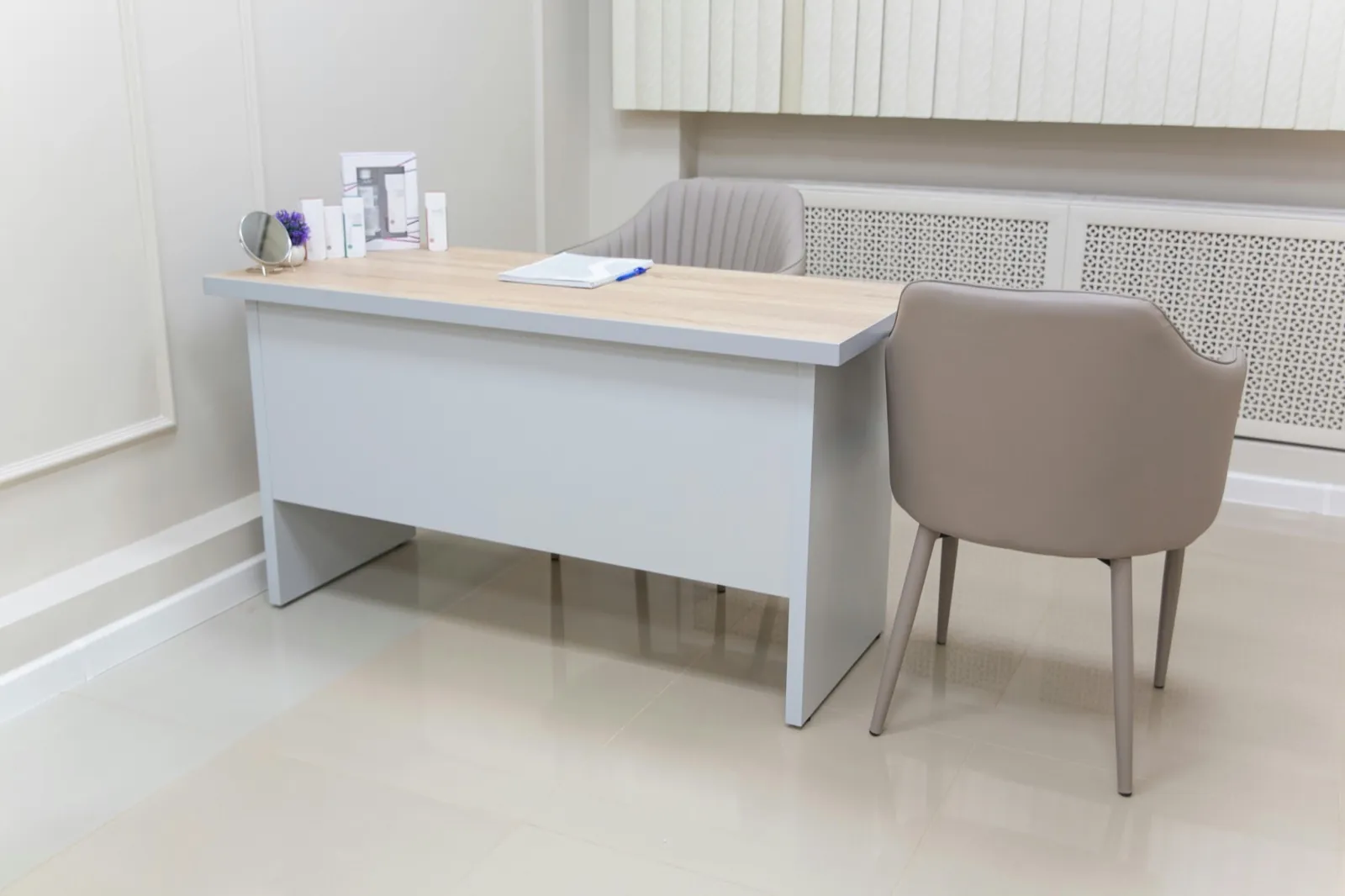
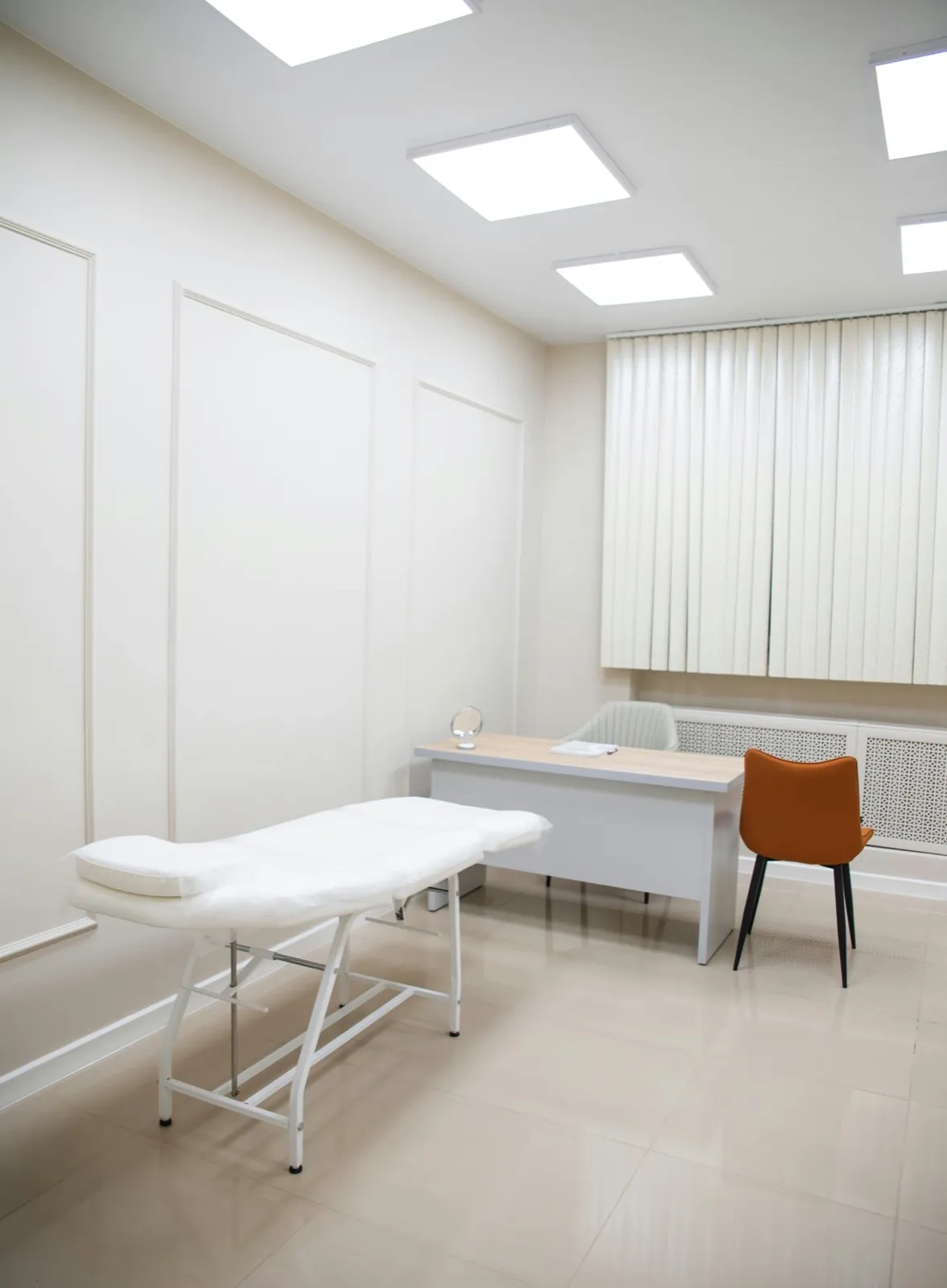
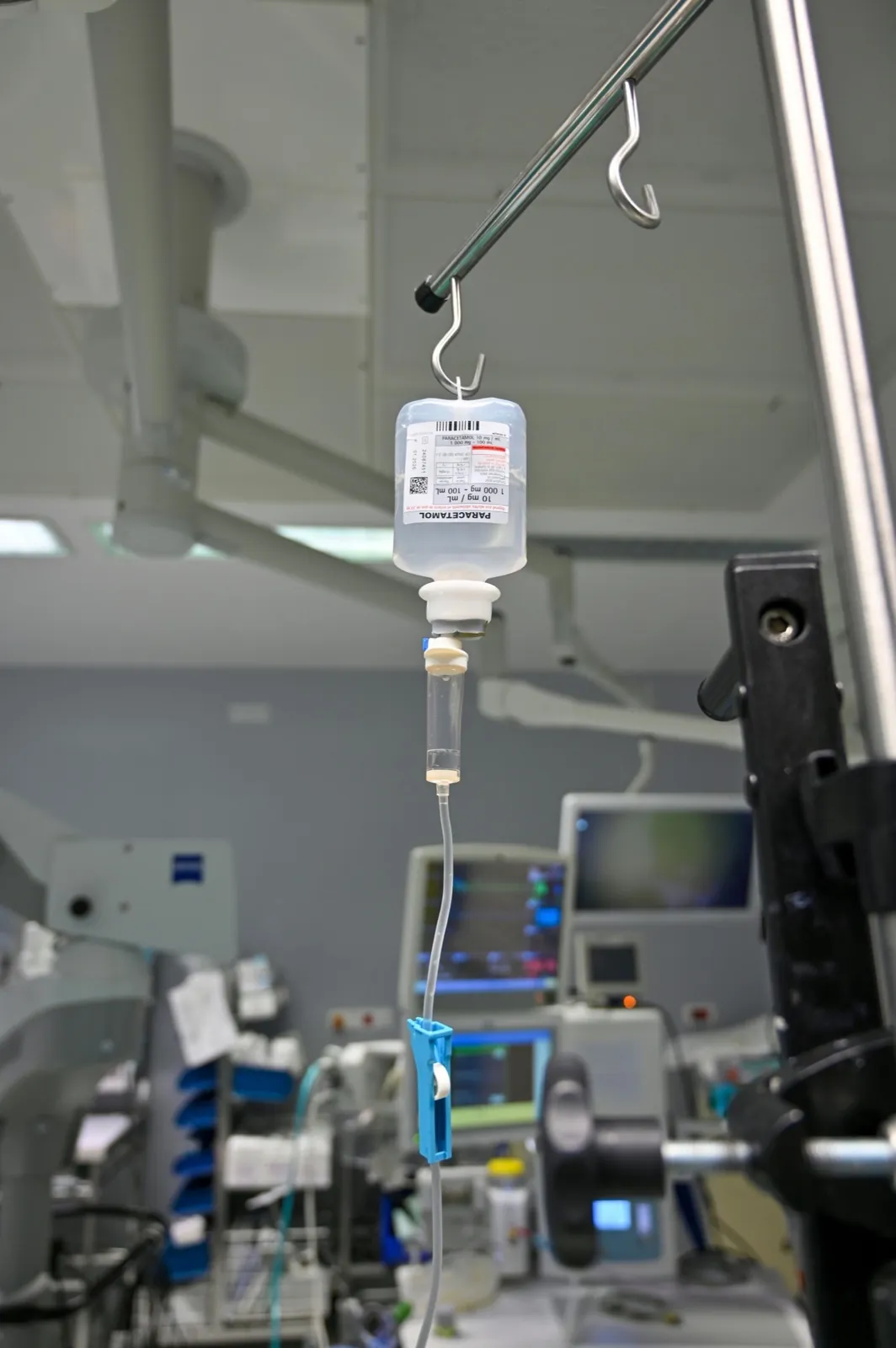
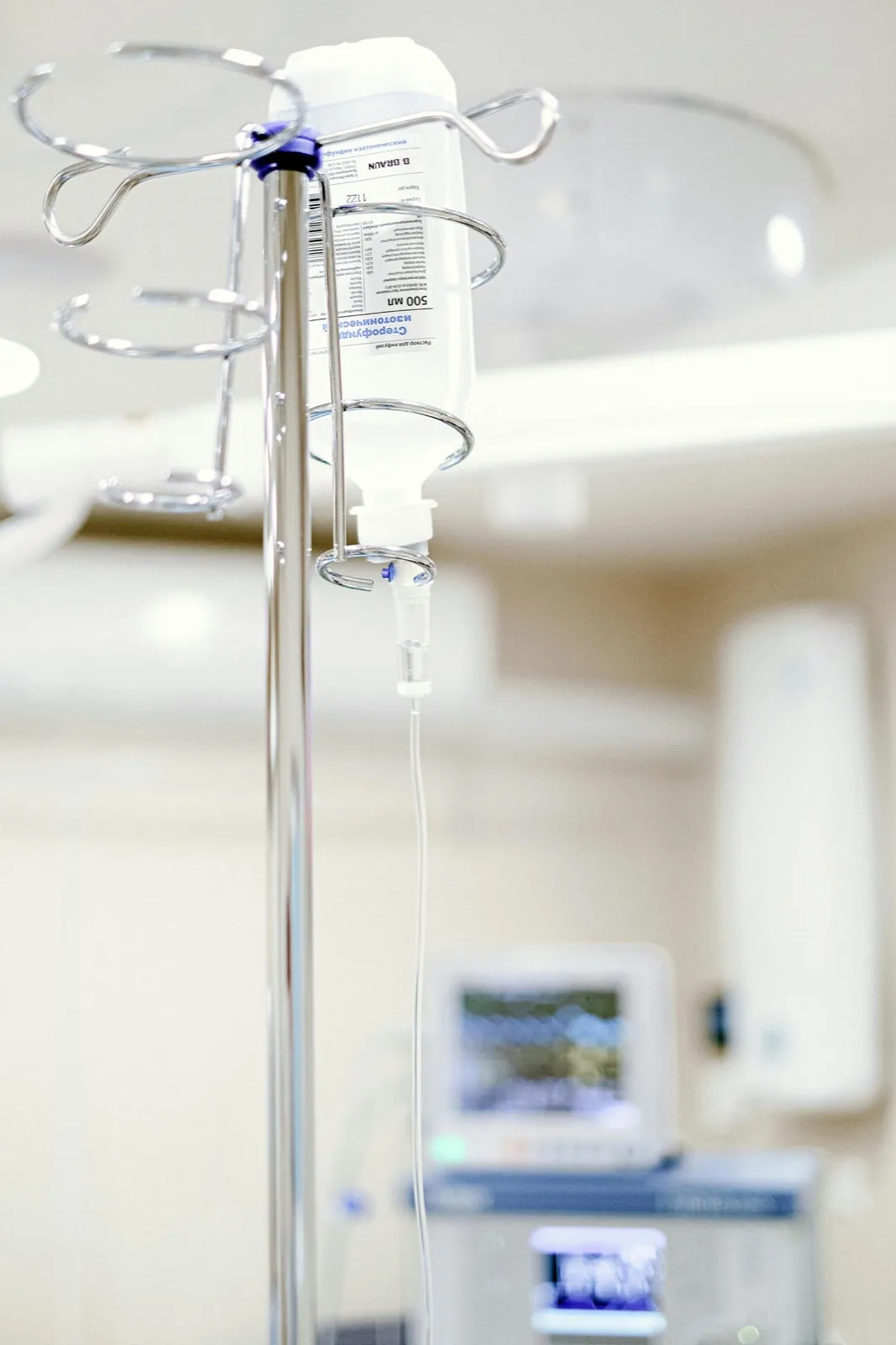
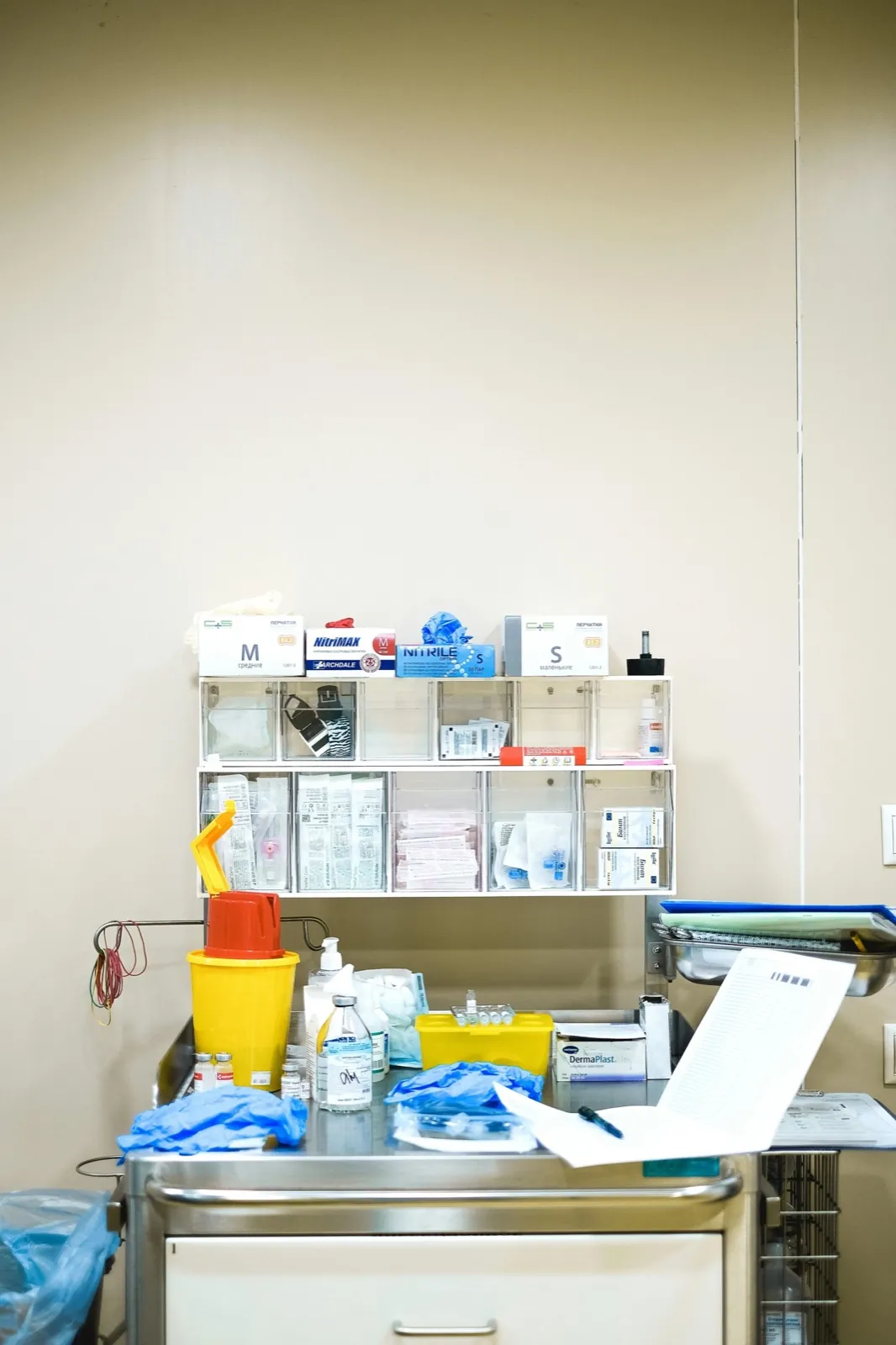
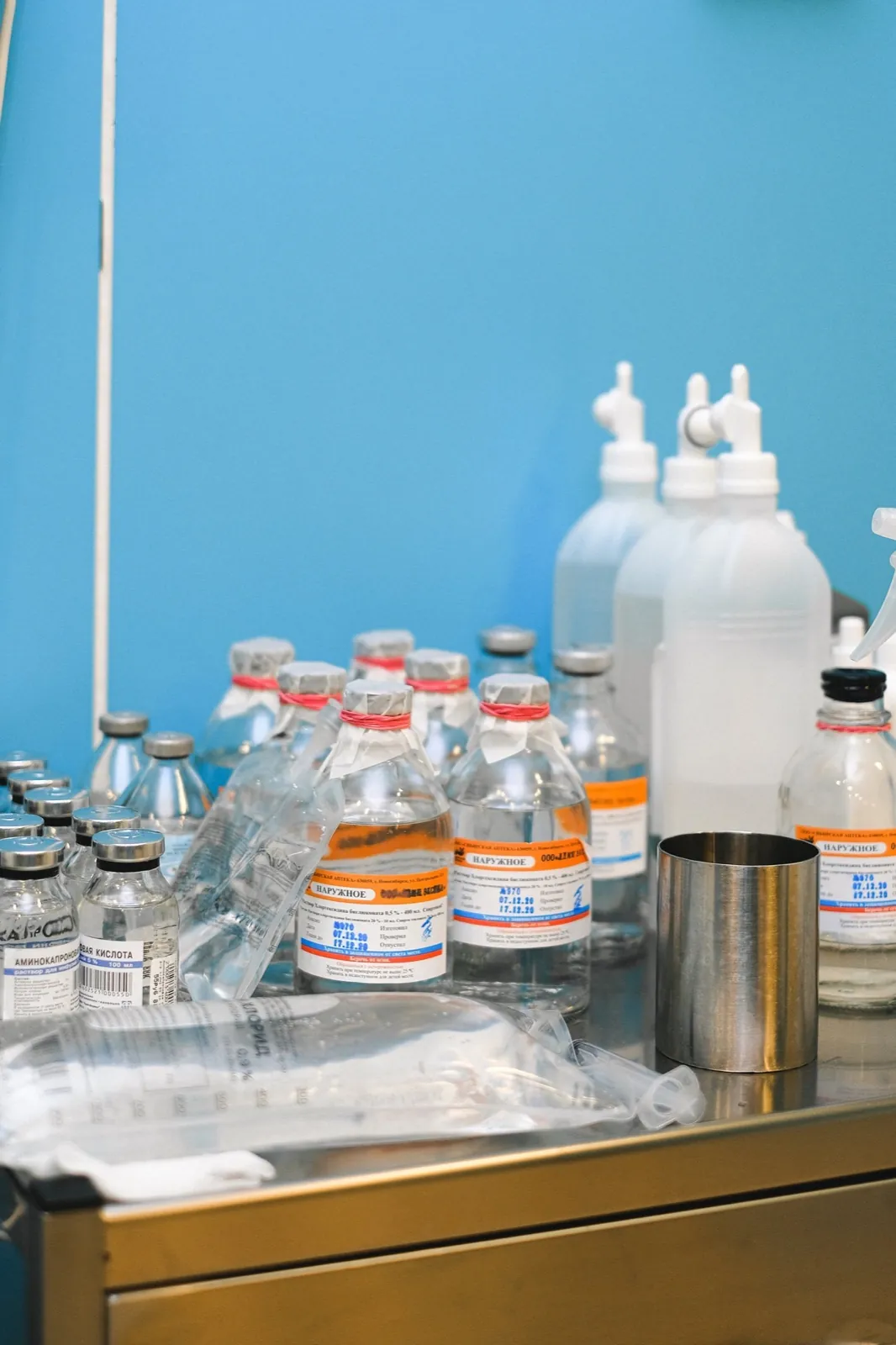
+380 50 366-62-33Photos help you see the space in advance: consultation room, procedure area, equipment and medical materials without patients' personal data.
Below are recent anonymized reviews for this service. We keep the experience of care while removing private details that could identify a person or their medical situation.
We had long tried to persuade my husband to start treatment, but every conversation ended in a fight. At the consultation they explained how to avoid pressure, how to present the facts, and when the family should seek urgent help.
Iryna, Kyiv, DemiivkaWhen my son developed a drug problem, my husband and I acted on emotion and only argued. At the consultation they explained that the family, too, needs boundaries, a calm tone and support. After that, it became easier to talk with him without panic.
Kateryna, KyivDo consultation we only pressured and argued. Nam explained, how ask limits, not cover addiction and at the same time not destroy contact. This was first raz, when appeared specific plan conversation.
Iryna, Kyiv, Solomianskyi districtHelp for the family of an addicted person: confidential consultation Demeevka in Kyiv, condition assessment, safe care plan and family support.
We work confidentially, we explain the options and limitations of each format, and we do not use promises of a guaranteed result in one day.
Yes. Demeevka does not disclose the fact of contact and works carefully with personal data.
Yes. Often the first step is taken by relatives, to understand the risks, the tone of the conversation and the safe procedure steps.
The final form of help is determined only after assessing the condition, symptoms, risks and contraindications.
It helps to briefly describe the symptoms, the duration of use, the current condition, chronic illnesses and which medications have already been taken.
You should start with a consultation for the family: assess the risks, prepare the conversation without humiliation and understand when urgent medical intervention is needed.
You should not threaten, shame, give money for use, hide the problem or choose medications on your own without a consultation.
Yes. Often it is the relatives who take the first step, to get a safe plan of steps and not make the situation worse.
Seizures, overdose, loss of consciousness, psychosis, aggression, hallucinations or suicidal statements are grounds for an urgent medical response.
Briefly describe the situation. We will suggest which form of help will be safe and where to start.
Leave your phone number. We will contact you, clarify the situation, and suggest a safe first step.