free
Family consultation
Help understand, whether there are acute danger and how speak with person after relapse.
- without accusations
- risk assessment
- a plan of steps
We explain how to act after repeated use of alcohol or drugs without panic, accusations and dangerous home decisions.

A relapse does not mean the treatment was futile. It is a signal to review support, triggers, the environment and the further recovery plan.
Help understand, whether there are acute danger and how speak with person after relapse.
We determine whether detox, an addiction doctor, a psychiatrist or inpatient care is needed.
We update the treatment plan, rehabilitation or post-rehabilitation support.
We work with family, boundaries, crisis plan and risks closest weeks.
The first step is to assess safety. If there is an overdose, suicidal thoughts, psychosis, seizures, difficulty breathing or loss of consciousness, you need to seek emergency help immediately.
Discuss the situationFamily important not start conversation with threats or humiliation, especially in acute state.
We clarify the symptoms, the substance, the duration of use and the presence of red flags.
We discuss consultation, detox, psychiatric assessment or rehabilitation support.
We work with causes relapse, triggers, boundaries family and prevention of recurrence.
A consultation helps you avoid acting at random: the specialist clarifies the condition, risks and symptoms and explains a safe first step.
Acute condition relieved, but psychological craving and stari triggers remained.
Relatives need a plan of steps, not mutual accusations.
After a relapse it is important to quickly return to help.
The cost depends on the person's condition, duration of use, symptoms, coexisting conditions, and the required care format. The exact plan is discussed after the initial consultation.
Prices are not medical prescriptions. The final form of help is decided after assessing the condition and the risks.
The specialists who can be involved in the consultation, condition assessment, stabilisation, psychological support or further treatment plan.

Leads the medical team and oversees the care plan, detox safety, and therapy outcomes.

Works with acute states, withdrawal syndrome, sleep disturbances, and medication support.

Specialises in work with alcohol- and medication-related addiction, anxiety conditions and motivation for treatment.
Chief physician, psychiatrist-addiction specialist, 15 years of experience. Reviews the medical accuracy of sample about relapse after treatment: condition assessment, inpatient indications, a safe request process, and wording without unsafe home-treatment schemes. The information on this page helps with orientation but does not replace an individual specialist consultation.
Go to the teamRehabilitation is needed when the acute condition has already been relieved but craving, triggers, the risk of relapse, a disrupted routine and difficulties in relationships with the family remain.
To build sober habits, restore a routine, learn to get through triggers without using and build support after discharge.
Motivation, previous relapses, the mental state, the social environment, conflicts in the family and the need for longer support.
Individual consultations, group support, psychoeducation, a relapse-prevention plan, work with the family and resocialisation.
The first weeks after stabilisation require a clear plan: a routine, support contacts, therapy and an early response to the risk of relapse.
Safe boundary: We do not publish medication dosages, IV-drip schemes or self-treatment instructions. Medical prescriptions are possible only after assessing the person's condition.
Medical help should be clear, lawful, and confidential. The website includes legal sections, data processing rules, clinic documents, and terms of use.
Loss of consciousness, seizures, chest pain, breathing difficulty, severe hallucinations, suicidal thoughts, or suspected overdose require emergency medical care.
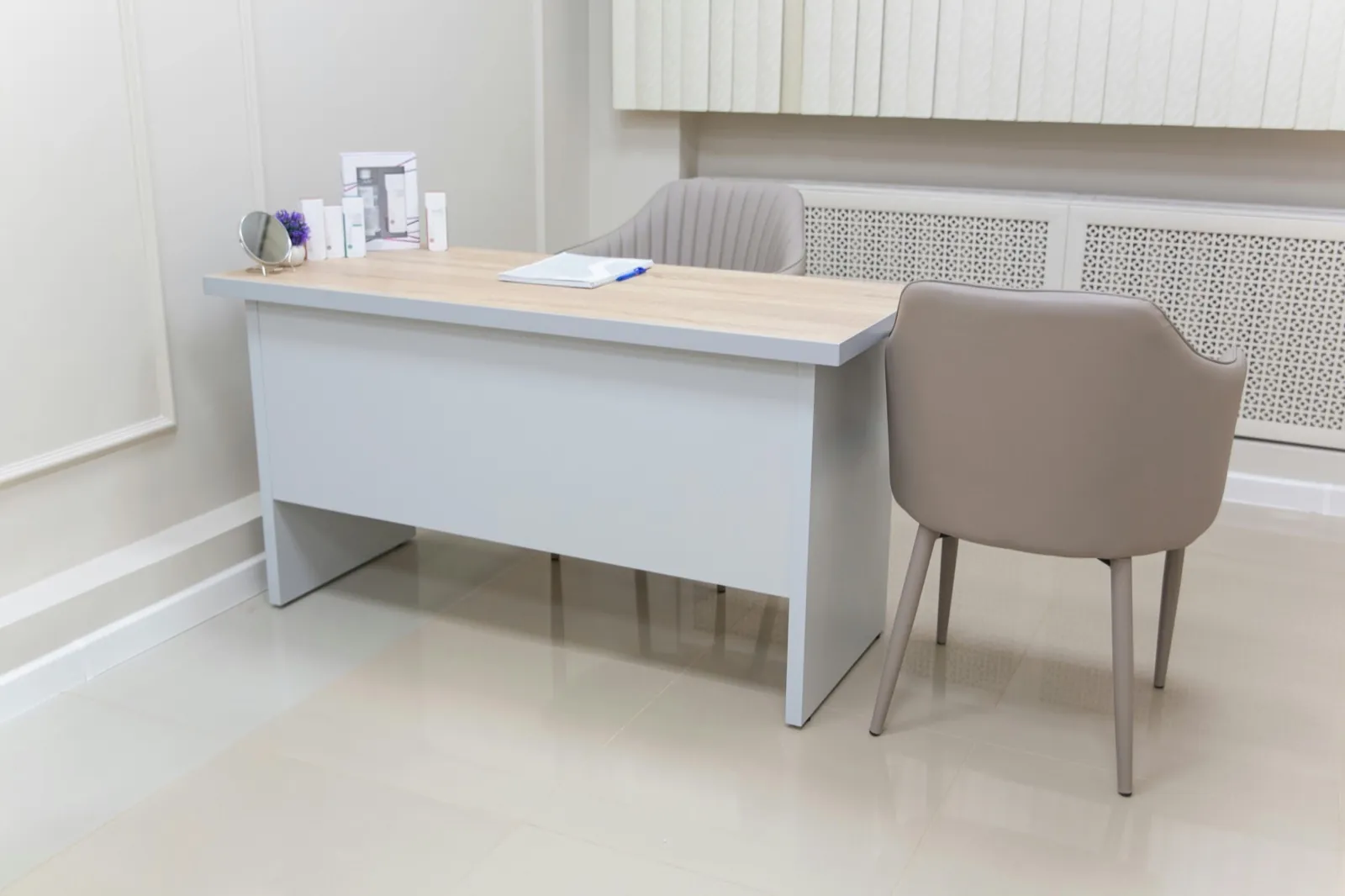
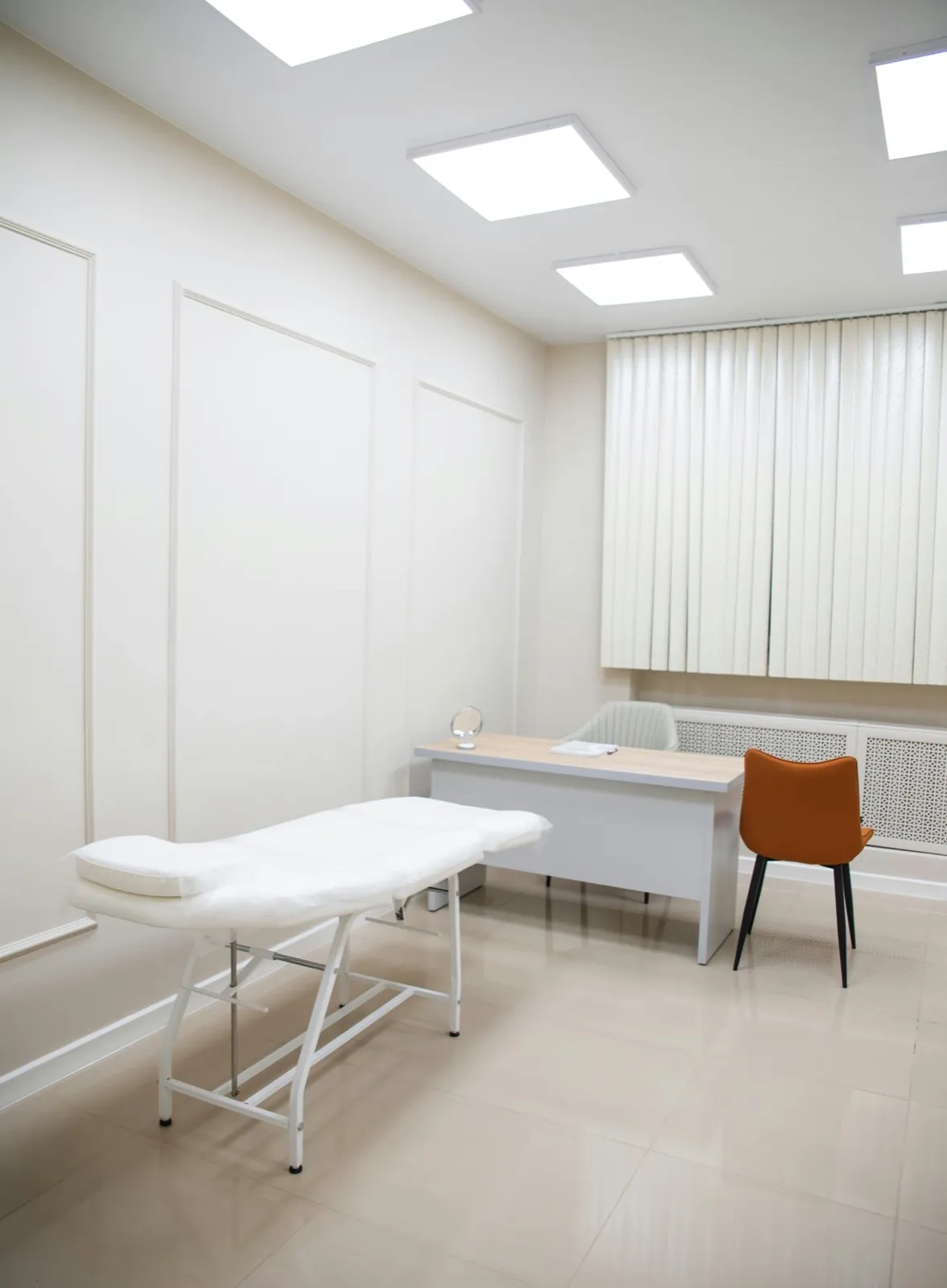
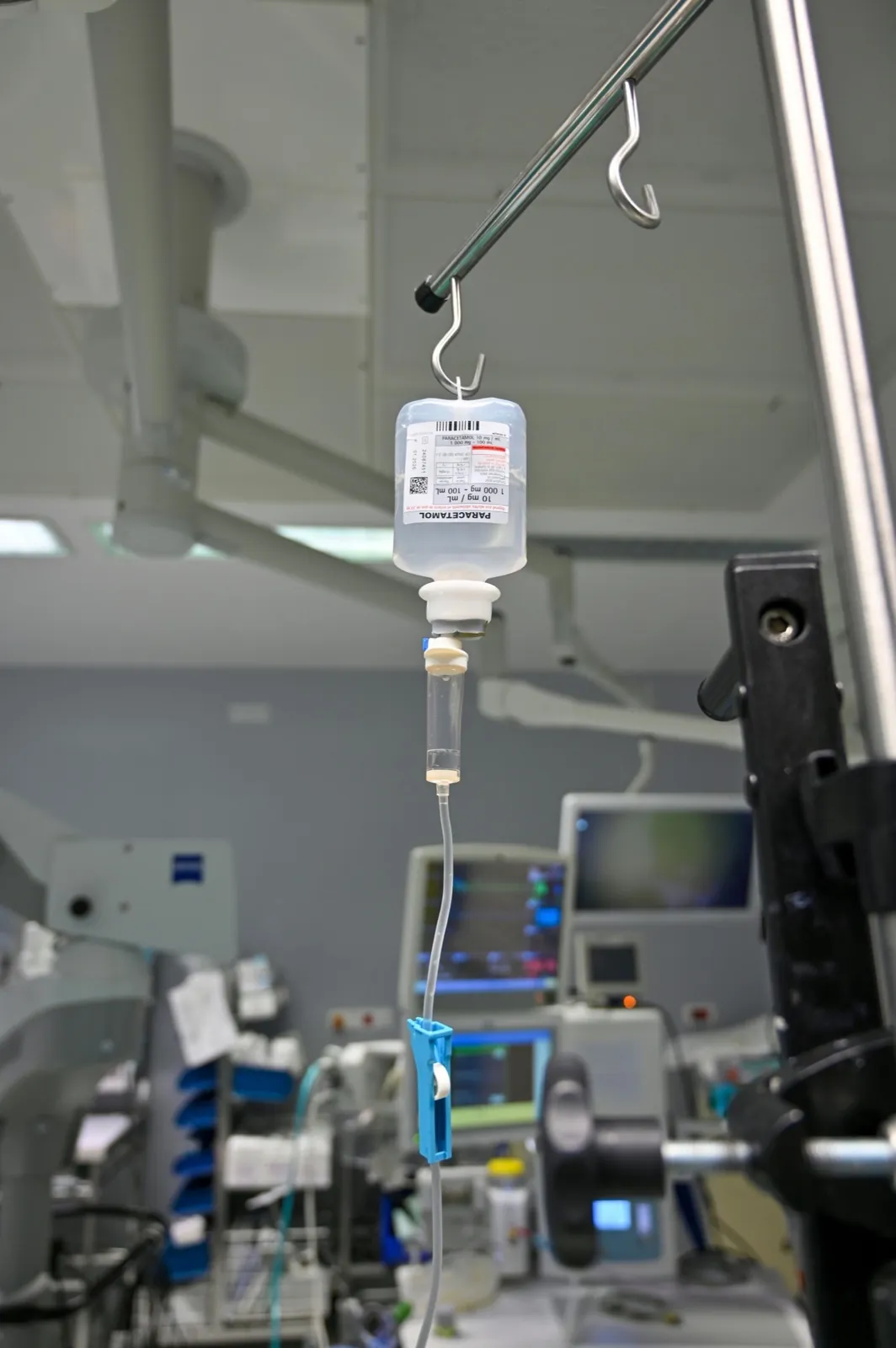
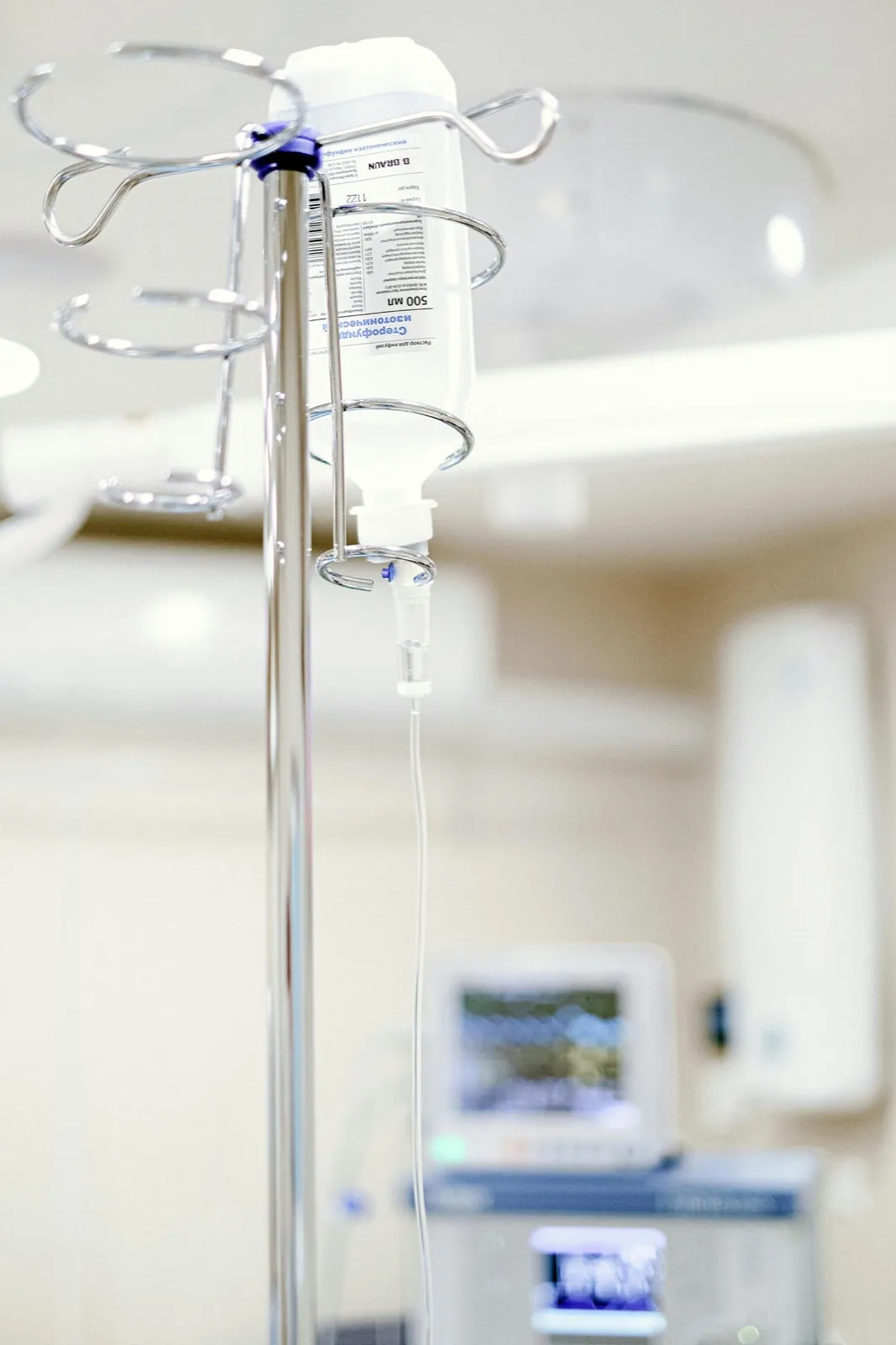
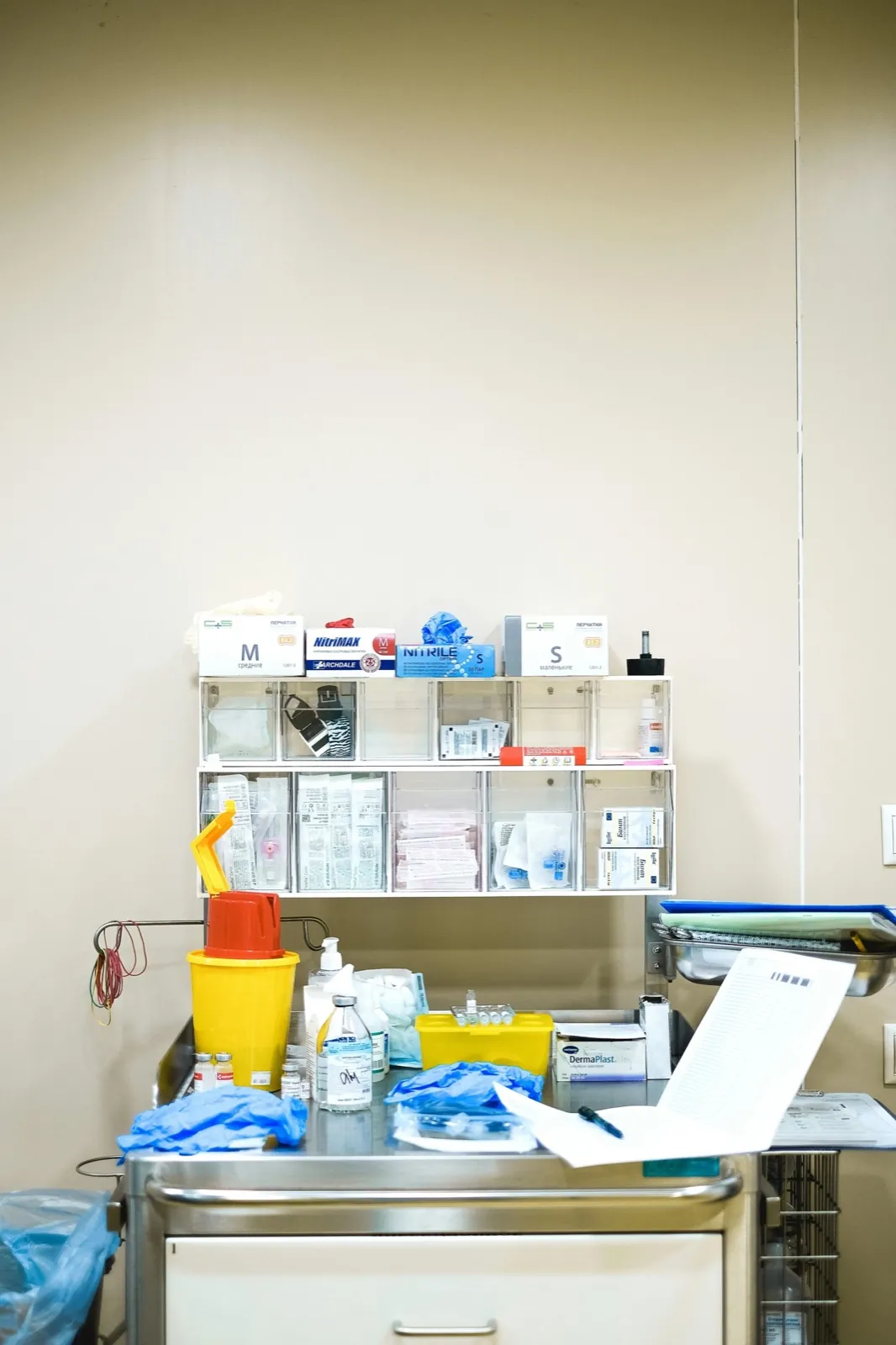
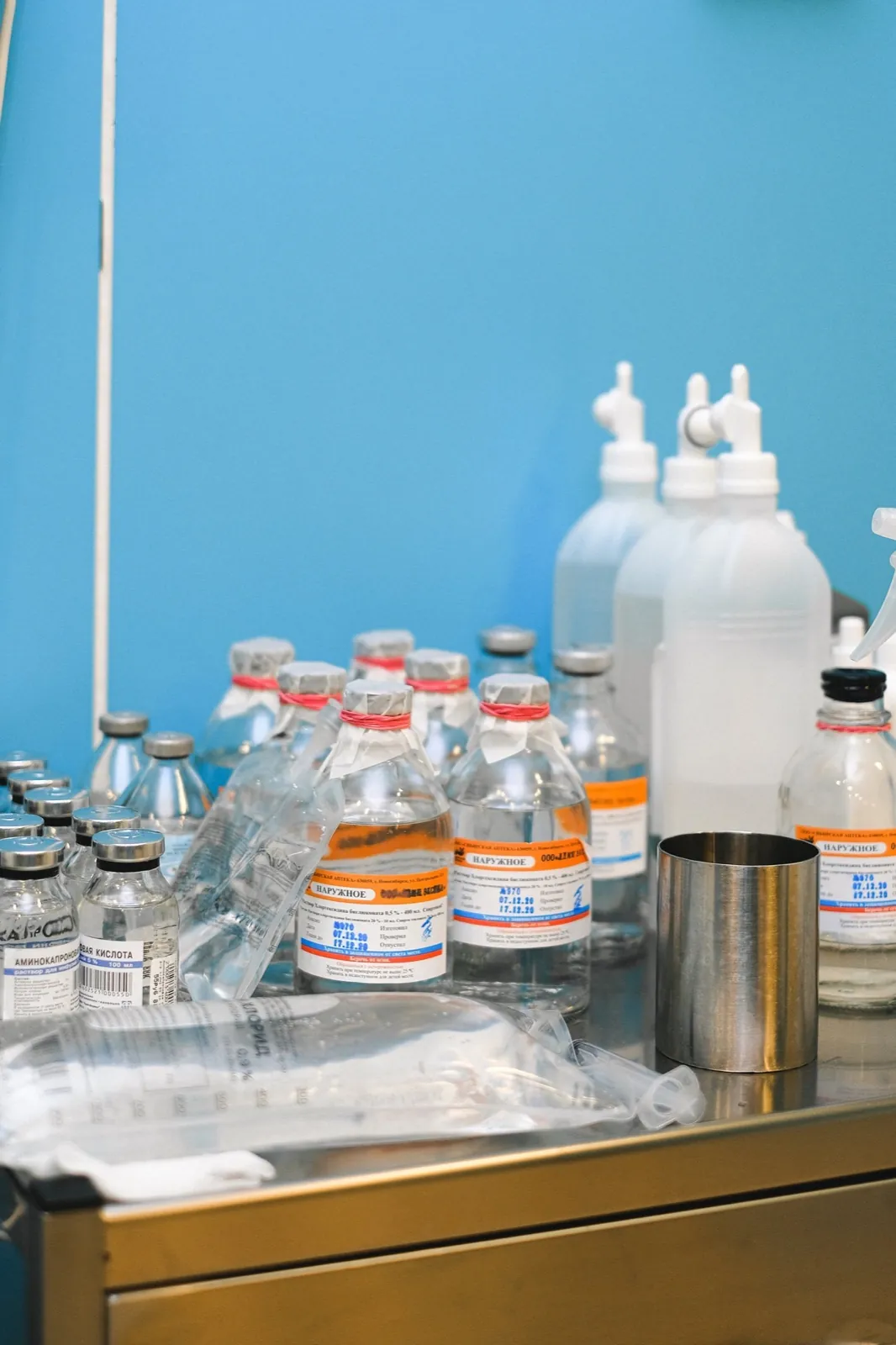
+380 50 366-62-33Photos help you see the space in advance: consultation room, procedure area, equipment and medical materials without patients' personal data.
Below are recent anonymized reviews for this service. We keep the experience of care while removing private details that could identify a person or their medical situation.
Contacted after several days of binge drinking in loved one person. It was important to quickly understand, what was dangerous, and what could be discussed during consultation. The specialist asked specific questions, did not scare us and explained the next steps without pressure.
Olena, Kyiv, Holosiivskyi districtIt was hard for me to reach out for help on my own, but the conversation went calmly. They clarified the symptoms and prior condition, what had already been taken, and explained which care format might be appropriate after the doctor's assessment.
Confidential, KyivWe had long tried to persuade my husband to start treatment, but every conversation ended in a fight. At the consultation they explained how to avoid pressure, how to present the facts, and when the family should seek urgent help.
Iryna, Kyiv, DemiivkaRelapse after treatment addiction: confidential consultation Demeevka in Kyiv, condition assessment, safe care plan and family support.
We work confidentially, we explain the options and limitations of each format, and we do not use promises of a guaranteed result in one day.
Yes. Demeevka does not disclose the fact that you contacted us and handles personal data carefully.
Yes. Often relatives take the first step, to understand the risks, how to approach the conversation, and the safe next steps.
The final form of help is decided only after assessing the condition, symptoms, risks and contraindications.
It helps to briefly describe the symptoms, how long the use lasted, the current condition, chronic illnesses, and which medications have already been taken.
After initial stabilisation, when the acute symptoms have already been reduced and the person can take part in a recovery programme.
Detox helps to get through the acute stage but does not remove craving, triggers, the usual behavioural pattern and the risk of repeated relapse.
In many cases yes. We explain to relatives the limits of support, the early signs of relapse and a safe way of communicating without pressure.
You should not wait for a flare-up, but contact a specialist again, assess the risks, update the support plan and work out which triggers were involved.
Briefly describe the situation. We will suggest which form of help will be safe and where to start.
Leave your phone number. We will contact you, clarify the situation, and suggest a safe first step.